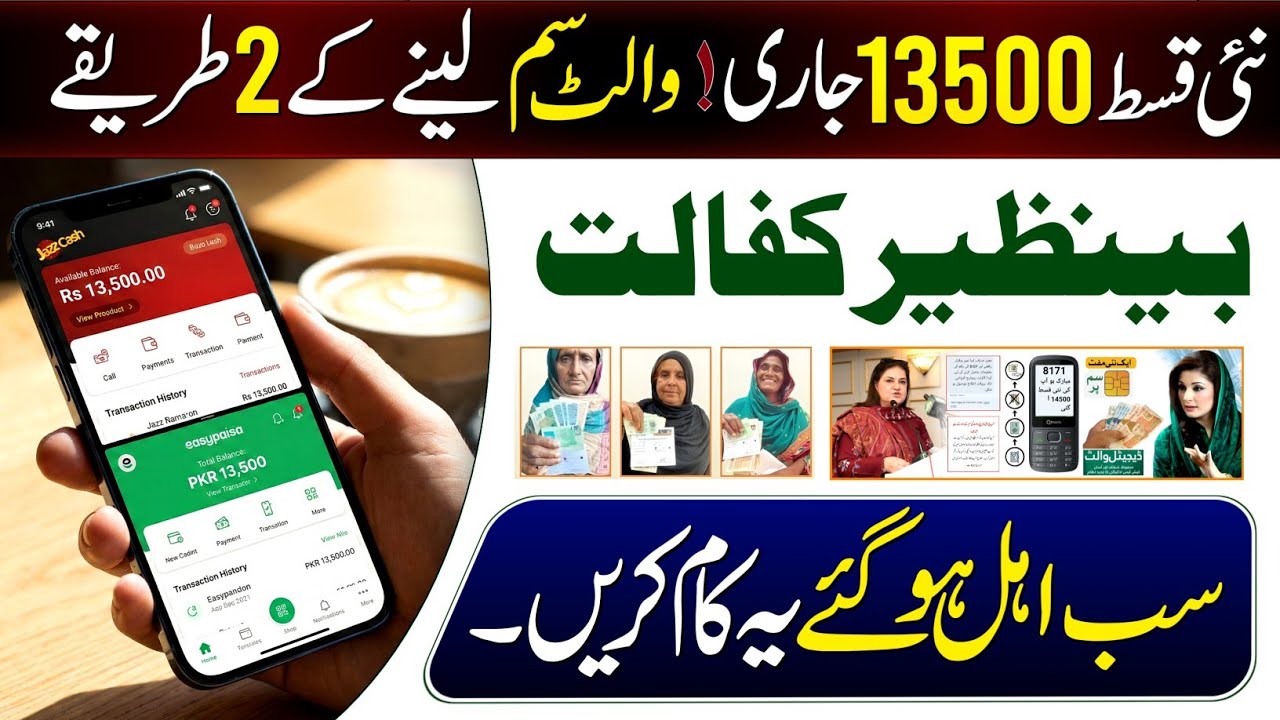
Ehsaas Program New PaymentRs13500 – Benazir Income Support Program 2026
The Ehsaas Program and the Benazir Income Support Program (BISP) are among Pakistan’s most important social welfare initiatives. These programs aim to reduce poverty, support low-income families, and provide financial assistance to the most vulnerable segments of society. As Pakistan moves into 2026, the government has announced several updates and improvements in the Ehsaas Program and BISP, including new payment amounts, better verification systems, and improved transparency.
This article explains everything you need to know about the Ehsaas Program new payment under the Benazir Income Support Program in 2026, including eligibility criteria, payment process, verification methods, and the impact of these changes on deserving families.
Background of Ehsaas Program and BISP
The Ehsaas Program was launched as a comprehensive poverty alleviation initiative covering multiple areas such as cash assistance, education scholarships, health support, and food security. Over time, many of its cash assistance components were merged with the Benazir Income Support Program to create a more streamlined and effective welfare system.
BISP primarily focuses on providing financial support to poor and deserving women across Pakistan. Through regular cash transfers, the program helps families meet basic needs such as food, education, healthcare, and utility expenses. The program uses modern data systems and biometric verification to ensure transparency and fair distribution.
Why 2026 Is Important for BISP and Ehsaas Program
The year 2026 is significant because of rising inflation, increasing cost of living, and economic challenges faced by low-income households. To address these issues, the government has increased the budget allocation for social protection programs. The aim is to strengthen financial support for deserving families and ensure that assistance reaches those who need it most.
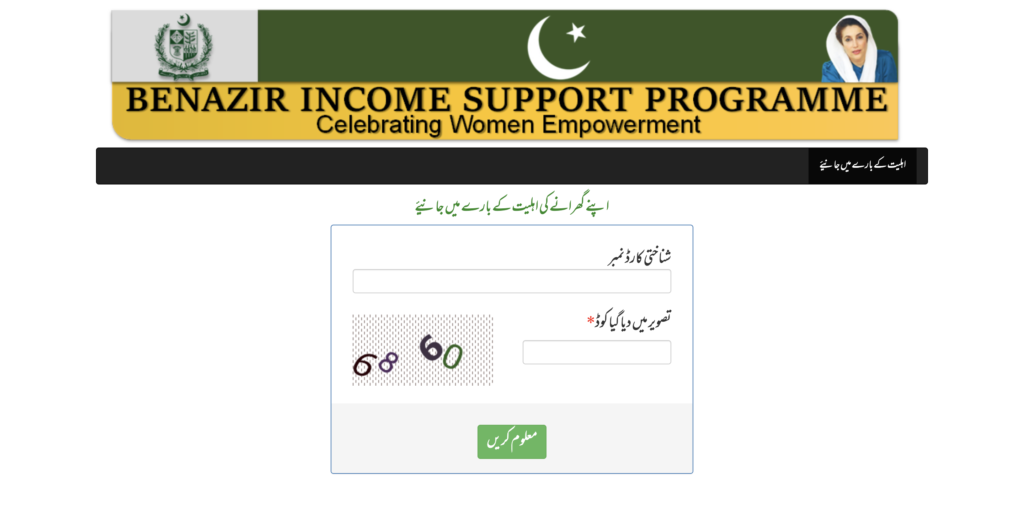
In 2026, the Benazir Income Support Program continues to operate under the broader vision of the Ehsaas framework, focusing on poverty reduction, women empowerment, and financial inclusion.
New Payment Amount in 2026
One of the most important updates in 2026 is the increase in the quarterly cash assistance amount. Under the new payment structure, eligible families receive a higher amount compared to previous years. This increase is designed to help families cope with inflation and rising expenses.
The enhanced payment provides better financial stability for beneficiaries, allowing them to manage household needs more effectively. For many families, this assistance serves as a crucial support system during times of economic hardship.
Payment Schedule and Distribution System
In 2026, payments under the Benazir Income Support Program are distributed in phases to ensure smooth operations and avoid overcrowding at payment centers. Phased payments also help reduce delays and make the system more organized.
The government has improved coordination with banks and payment partners to ensure timely delivery of funds. Beneficiaries are informed about their payment schedule through official SMS alerts and the 8171 portal.
Digital Payment System and Transparency
A major improvement in the Ehsaas Program and BISP in 2026 is the increased use of digital payment systems. The government is shifting away from manual cash distribution to bank-based and mobile-based payment methods.
Digital payments reduce the risk of fraud, corruption, and unauthorized deductions. They also make it easier for beneficiaries to access their funds securely. Many beneficiaries can now withdraw money from ATMs or receive funds through mobile wallets, which saves time and travel costs.
This digital approach also improves transparency, as every transaction is recorded and monitored through official systems.
Eligibility Criteria for BISP 2026
Eligibility for the Benazir Income Support Program in 2026 is determined through a poverty scorecard and national database verification. The program mainly targets low-income households with limited or no stable sources of income.
Priority is given to women, widows, disabled individuals, and families facing financial hardship. Government employees with high salaries and individuals with significant assets are generally not eligible for the program.
Eligibility status can change based on updated surveys and verification, so it is important for beneficiaries to keep their information updated.
How to Check Eligibility and Payment Status
Beneficiaries can easily check their eligibility and payment status through official channels. The 8171 system is the most reliable way to get accurate information.
By sending their CNIC number to 8171 or using the official web portal, individuals can find out whether they qualify for the program and whether their payment has been released. This system helps reduce misinformation and protects beneficiaries from scams.
Biometric Verification and Fraud Prevention
To improve accountability, the government has strengthened biometric verification systems in 2026. Biometric checks ensure that payments are only released to the rightful beneficiaries.
This step has helped reduce cases of duplicate payments, fake beneficiaries, and unauthorized withdrawals. If biometric verification fails, beneficiaries are guided to resolve the issue through designated centers.
These measures play an important role in maintaining trust in the program and ensuring fair distribution of funds.
Women Empowerment Through BISP
The Benazir Income Support Program places strong emphasis on women empowerment. Cash assistance is usually provided in the name of female heads of households, which helps increase their financial independence.
In 2026, more women are being encouraged to open bank accounts linked to their CNIC. This allows them to manage their funds independently and become part of the formal financial system. Access to banking services also helps women save money and plan for the future.
Impact of Ehsaas and BISP on Society
The Ehsaas Program and BISP have had a significant impact on poverty reduction in Pakistan. Millions of families rely on this support to meet basic needs and improve their quality of life.
Increased payments in 2026 are expected to further reduce financial stress for vulnerable households. The program also contributes to improved education and health outcomes, as families can better afford school expenses and medical care.
Challenges and Government Efforts
Despite improvements, challenges remain. Some beneficiaries face issues such as delayed payments, biometric errors, or lack of awareness. The government continues to address these problems by improving helpline services, updating databases, and increasing public awareness campaigns.
Continuous monitoring and audits are also being conducted to identify weaknesses and improve system efficiency.
Conclusion
The Ehsaas Program and Benazir Income Support Program in 2026 represent a strong commitment by the government of Pakistan to support low-income families. With increased payment amounts, better digital systems, and stronger verification processes, the program is becoming more transparent and effective.
For eligible families, this assistance provides essential financial relief and helps them navigate economic challenges with dignity. Beneficiaries are advised to use only official channels for information and stay updated on payment schedules and verification requirements.
The future of the Ehsaas Program and BISP looks promising, with continued efforts aimed at poverty reduction, social inclusion, and long-term economic stability for Pakistan’s most vulnerable citizens.